
Predestination Reconsidered: Why “Heaven-or-Hell Assignment” Is Bad Theology
This essay reframes predestination within Paul’s Jewish apocalyptic worldview rather than the later Augustinian and Calvinist paradigm of eternal decrees. Far from teaching a divine lottery of heaven or hell, Paul’s language of predestination affirms God’s covenant plan, rooted in Israel’s election and fulfilled in Messiah, to bring His people into resurrection glory. By examining key texts like Romans 8, Ephesians 1, and Romans 9–11, the study shows that predestination is corporate, covenantal, and eschatological. It assures believers that God’s promises will not fail, the Spirit guarantees their inheritance, and Jew and Gentile together will share in the hope of the age to come. In contrast, the double predestination model distorts God’s character, undermines human responsibility, and severs the gospel from its covenantal storyline. The biblical alternative restores predestination as a pastoral doctrine of assurance, not exclusion.

Calling and Predestination: A Hebraic Understanding of Divine Invitation
Paul’s teaching on calling, election, and foreknowledge has been deeply misunderstood through later Western lenses of determinism. Read within its Jewish context, however, these terms reflect covenantal partnership, not fatalistic decree. In Scripture, calling is a divine invitation to vocation and faithfulness—an offer that requires human response—while election designates a people chosen for purpose, not for exclusion. God’s foreknowledge speaks of covenantal love and intention, not clairvoyant prediction. Paul’s language in Ephesians and Romans thus celebrates God’s unwavering redemptive plan through Messiah, not a fixed roster of the saved. His “predestination” concerns the destiny of those in Messiah—to be holy and adopted—not the predetermined fate of individuals. Through this Hebraic lens, salvation emerges as relational and participatory: God’s sovereignty ensures His purposes will stand, but human freedom remains essential in walking worthy of the calling.
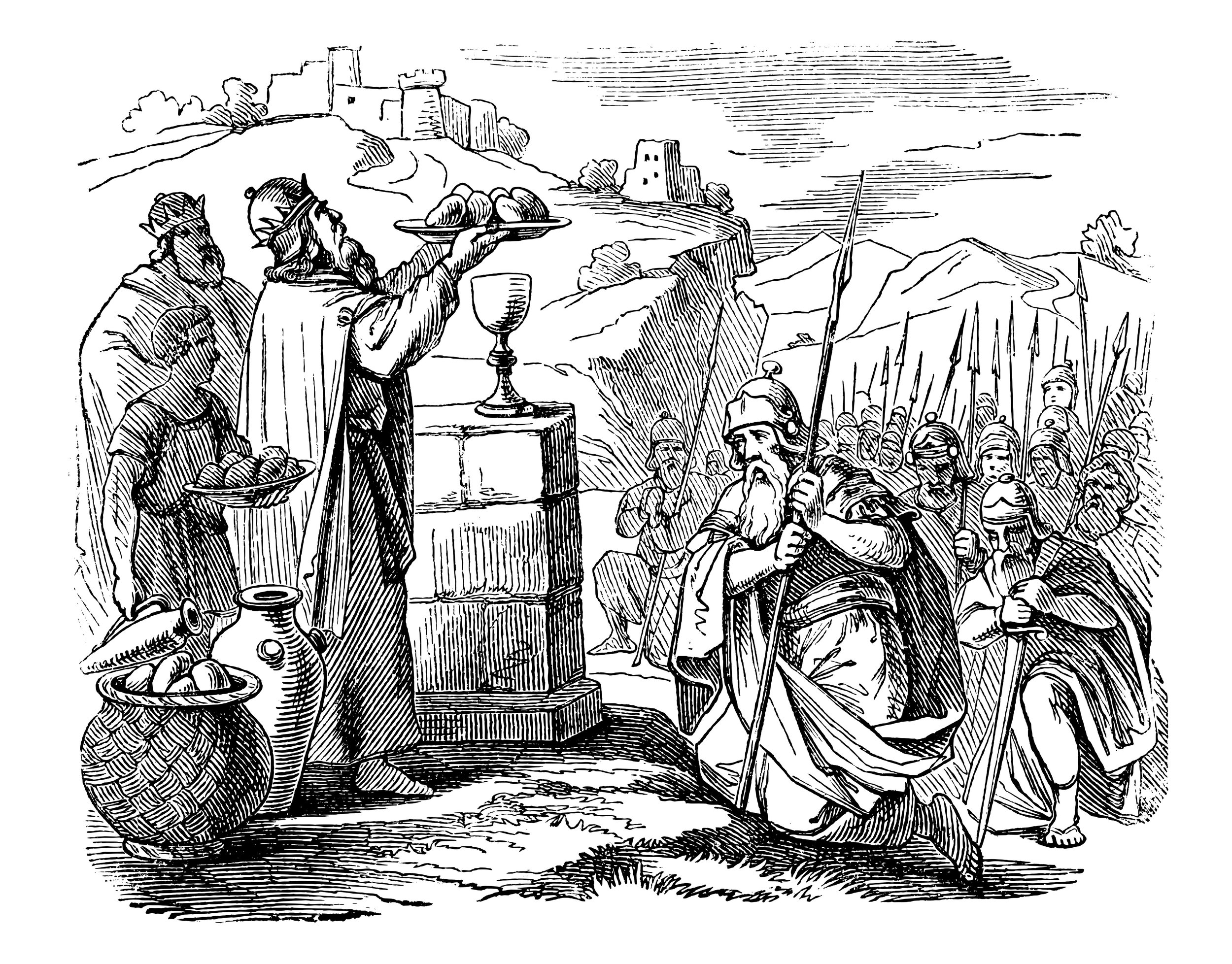
The Mystery of Melchizedek
The study of Melchizedek offers a fascinating glimpse into the convergence of priesthood, kingship, and divine purpose within biblical and extrabiblical traditions. Through his brief yet powerful appearances in texts like Genesis, Psalms, and Hebrews, Melchizedek emerges as a mysterious and multi-faceted figure whose role prefigures and illuminates the unique priesthood of Jesus. His dual status as both king and priest underscores a timeless and divinely appointed leadership that transcends lineage and ritual, emphasizing spiritual continuity from the ancient past to the messianic future. The rich variety of interpretations surrounding Melchizedek highlights the dynamic nature of biblical tradition and invites believers to reflect on themes of worship, divine authority, and the unfolding plan of salvation.
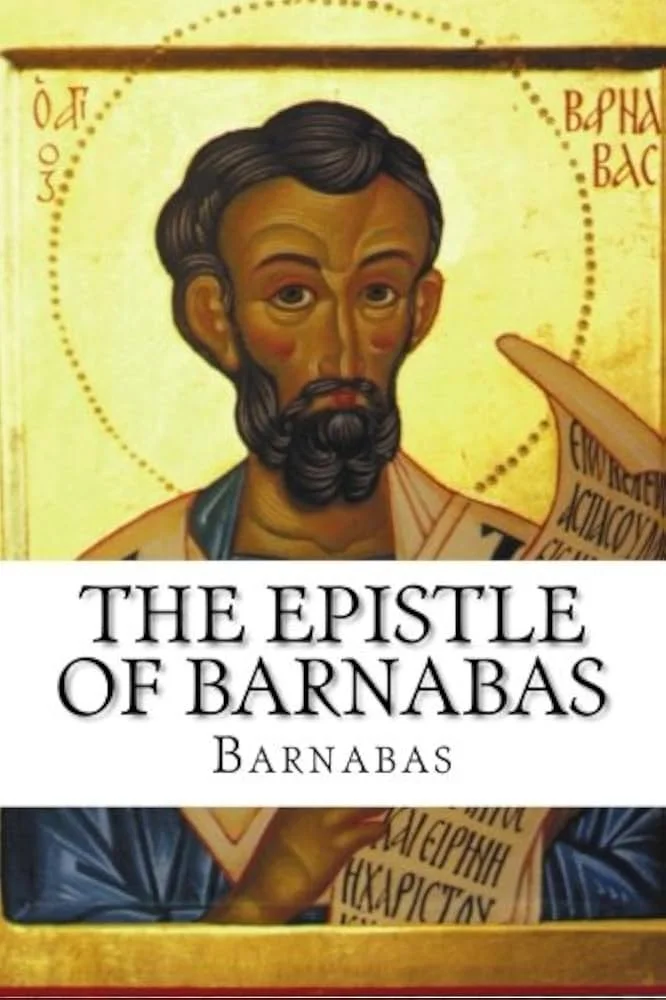
The Epistle of Barnabas: A Witness to the Parting of the Ways
This lesson introduces the Epistle of Barnabas, a second-century Christian writing that reflects the turbulent era between the Jewish revolts against Rome and the growing separation of Christianity from its Jewish roots. While the letter opens with warmth and encouragement, its deeper message is marked by radical allegory, a rejection of Torah observance, and the early seeds of replacement theology. By placing Barnabas in its historical context — between the hope of a rebuilt Temple and the disappointment of Roman betrayal — we see how Gentile Christianity was shaping its identity apart from Judaism. Though the epistle is not Scripture, it preserves both authentic echoes of apostolic tradition and troubling distortions, making it a valuable case study in how theology can be shaped by historical pressures. For modern readers, Barnabas stands as both a warning against abandoning the Jewish foundations of the faith and a reminder that God’s righteous requirements still call us to faithful obedience and hope.

From Acts to Our Age: Carrying the Apostolic Mission Forward
This lesson reflects on the open-ended conclusion of Acts and the unfolding story of discipleship in the generations that followed. While the apostles and their successors faced false messiahs, persecution, revolts, destruction, and the painful parting of the ways, their example reminds us that discipleship has always been costly—but always worth it. We are called to learn from both their dramatic sacrifices and their quiet faithfulness, carrying forward their vision of unity in Messiah and resisting the divisions that history has sown. The unfinished ending of Acts becomes our invitation: to take up the same mission, empowered by the Spirit, and to continue writing the story with our own lives.

From Church to Assembly: Recovering the Meaning of Ekklesia
The English word church misrepresents the biblical concept of ekklesia, which in Scripture refers to the covenant assembly of Israel—the people of God gathered before Him—rather than a later institutional entity. When translators replaced ekklesia with church, they imported post-biblical hierarchy and separated Christianity from its Jewish roots, giving rise to the false idea of a new, non-Israelite religion. The early believers in Acts remained part of Israel’s story, worshiping in the Temple and awaiting Messiah’s return. Gentiles were graciously grafted into this existing covenant community, not founders of a new institution. Misreading ekklesia as “church” or a “government structure,” as some modern voices do, distorts its meaning and fuels political movements like Christian nationalism that confuse covenant faithfulness with national reform. Biblically, the ekklesia is not a political bloc or replacement nation, but a renewed covenant people—Jews and Gentiles together—awaiting the Kingdom of God and embodying it through holiness, mercy, and faithful witness.
What’s in a Name? The Word “Christian” and Its Biblical Use
The title “Christian,” used only three times in the New Testament, was originally an outsider’s label for followers of Jesus rather than their own self-designation. In Acts and 1 Peter, it appears as a nickname—sometimes derisive—applied by pagans or authorities to identify a marginal sect. The early believers instead called themselves disciples, the Way, saints, brothers and sisters, and believers—all expressions rooted in Israel’s covenant identity. Only in the second century did Gentile communities begin to adopt Christian as a positive institutional name, marking a growing separation from Jewish faith and heritage. This linguistic shift altered the movement’s identity, transforming it from a covenantal people within Israel’s story into a distinct Gentile religion. To reclaim the name faithfully today means returning it to its biblical roots—seeing “Christian” not as a cultural or political category but as belonging to the Messiah’s people, grafted into Israel’s covenant and living as witnesses of His coming kingdom.