
Engaging Biblical Scholarship — One Book at a Time
Book Reviews
-
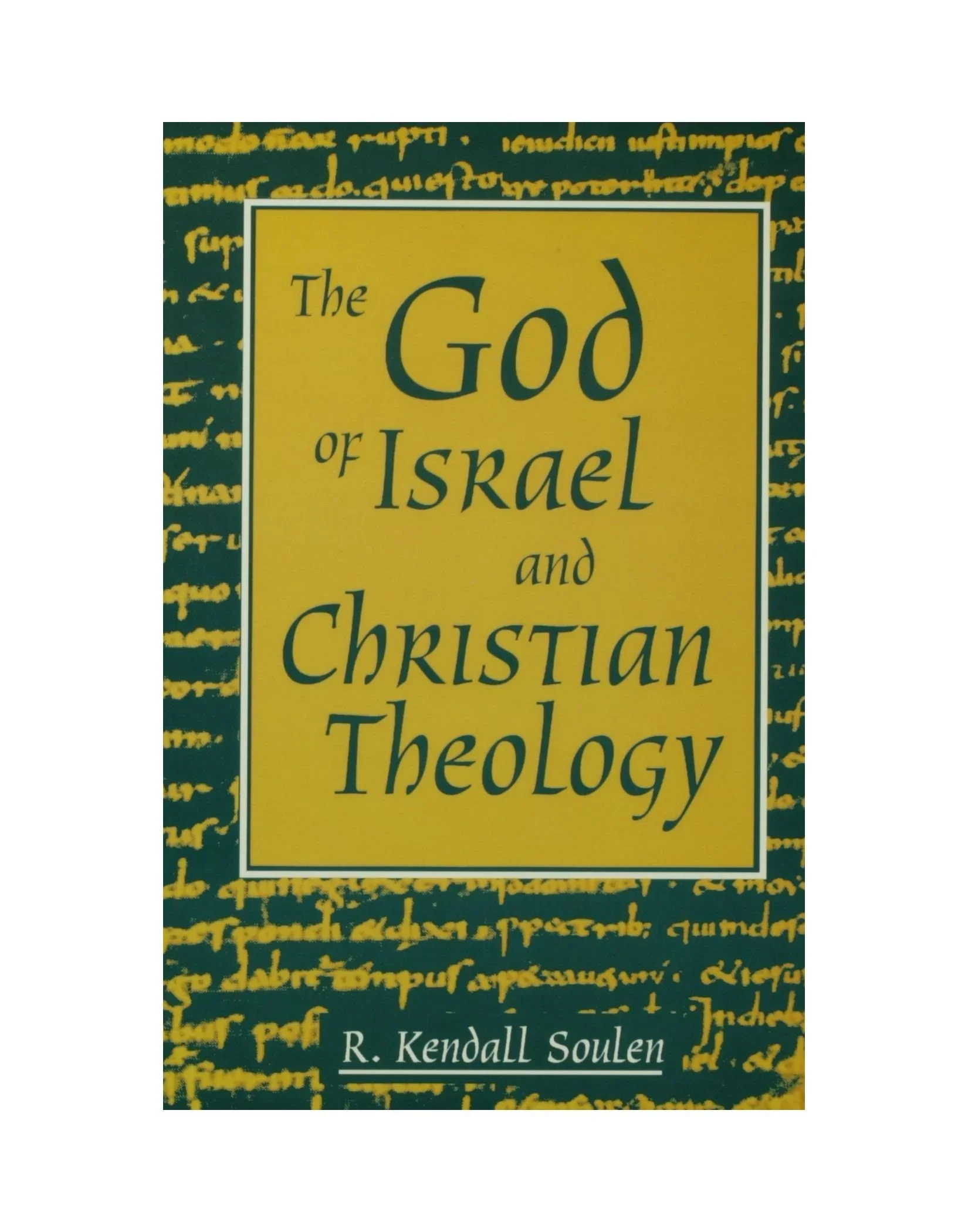
The God of Israel and Christian Theology
Abstract — The God of Israel and Christian Theology by R. Kendall Soulen
In The God of Israel and Christian Theology, R. Kendall Soulen offers a penetrating critique of traditional Christian approaches to biblical theology, arguing that much of Christian thought has marginalized or distorted the ongoing significance of Israel within God’s redemptive purposes. Soulen contends that standard theological frameworks often reduce the Old Testament to a mere prelude to the New, resulting in what he calls a “structural supersessionism” embedded within Christian doctrine and teaching.
The book proposes a reconfiguration of Christian theology around the enduring identity and election of Israel, emphasizing that the God revealed in Jesus Christ is none other than the God of Israel, whose covenantal commitments remain central to the biblical narrative. Soulen develops a canonical approach that seeks to honor the full scope of Scripture, integrating creation, election, and consummation within a unified theological vision.
By retrieving Israel’s proper place in Christian theological reflection, Soulen challenges readers to reconsider doctrines of salvation, covenant, and the church’s relationship to the Jewish people. The work stands as a constructive contribution to post-supersessionist theology, calling the church toward a more faithful reading of Scripture and a deeper recognition of God’s irrevocable promises.
-
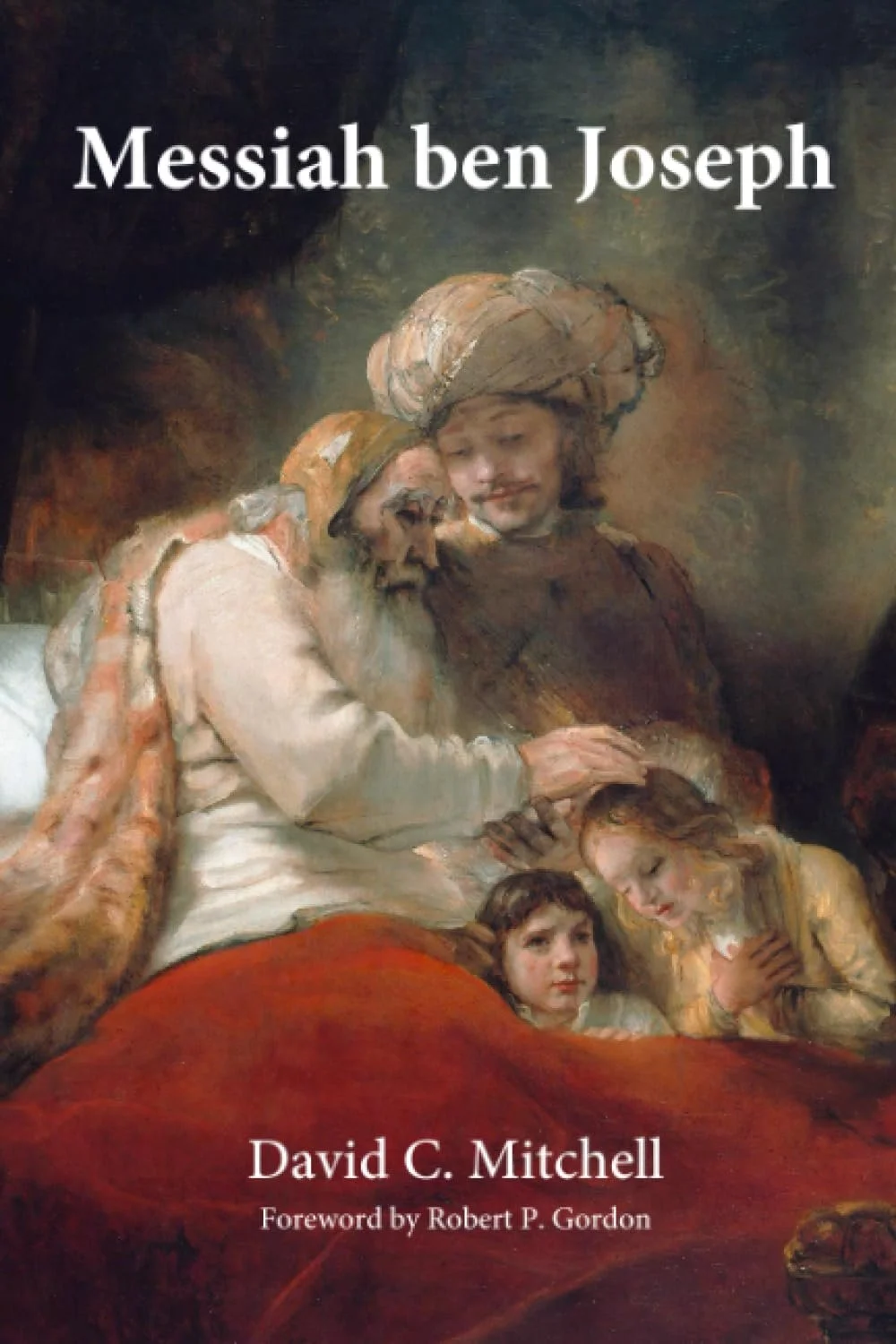
Messiah ben Joseph
Abstract — Messiah ben Joseph by David C. Mitchell
In Messiah ben Joseph, David C. Mitchell explores the often-overlooked Jewish expectation of a suffering or slain messianic figure known as “Messiah son of Joseph.” Drawing from a wide range of sources — including the Hebrew Bible, Second Temple literature, rabbinic writings, and later Jewish traditions — Mitchell argues that ancient Judaism preserved a dual-messiah framework: one figure associated with suffering, conflict, and death, and another linked to royal triumph and restoration.
Mitchell contends that this messianic pattern provides an important interpretive backdrop for understanding early messianic hopes and the way the first followers of Jesus made sense of his suffering and death. Rather than viewing the concept as a later Christian invention, the book situates the idea of a suffering messiah within pre-Christian Jewish thought, demonstrating continuity between Jewish expectations and New Testament claims.
Through historical analysis and textual study, Messiah ben Joseph invites readers to reconsider the diversity of messianic belief in antiquity and the theological significance of messianic suffering within the broader biblical narrative. The work contributes to ongoing discussions about messianism, Jewish-Christian relations, and the interpretive world of the early church.
-
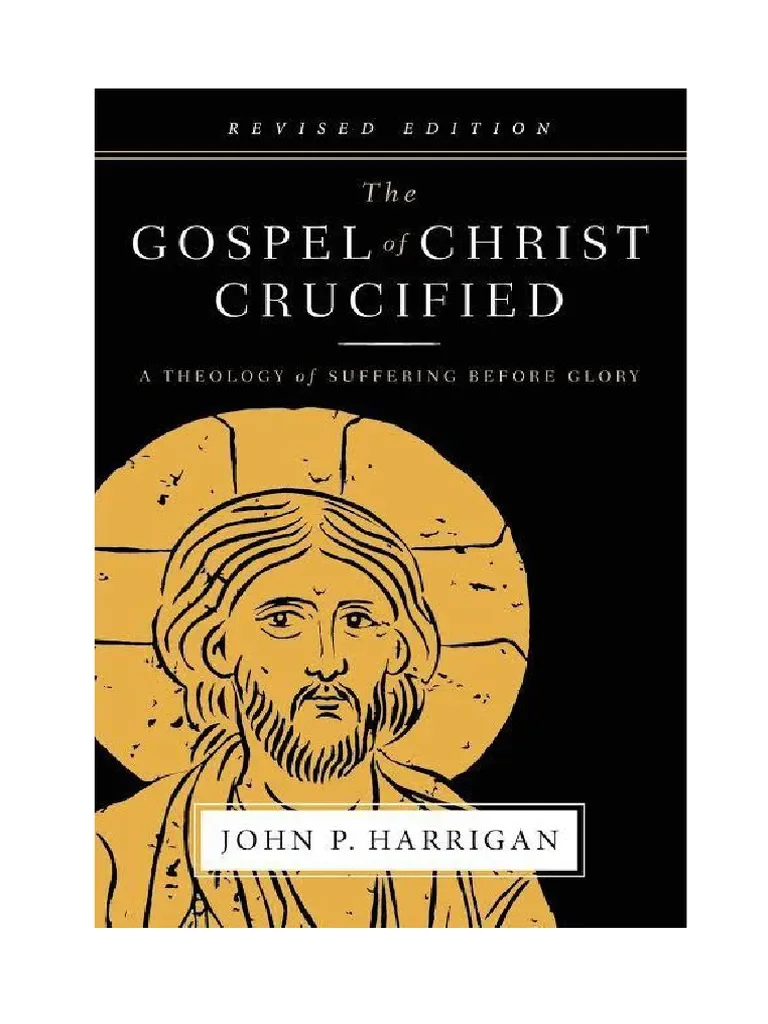
The Gospel of Christ Crucified: A Theology of Suffering Before Glory
Abstract — The Gospel of Christ Crucified: A Theology of Suffering Before Glory by John Harrigan
In The Gospel of Christ Crucified: A Theology of Suffering Before Glory, John Harrigan presents a comprehensive biblical theology centered on the theme that suffering precedes glory in God’s redemptive plan. Drawing deeply from both Old and New Testament texts, Harrigan argues that the pattern of humiliation before exaltation is not incidental but foundational to the gospel message, the mission of Jesus, and the destiny of his followers.
The book situates the crucifixion within the broader apocalyptic and prophetic narrative of Scripture, emphasizing the continuity between Israel’s story, the expectations surrounding the Messiah, and the eschatological hope of resurrection and kingdom restoration. Harrigan contends that modern Christian theology has often minimized or reinterpreted the centrality of suffering, favoring realized or triumphal frameworks that overlook the future-oriented nature of biblical glory.
By recovering the primacy of the cross within an eschatological context, Harrigan calls readers to embrace a gospel shaped by endurance, faithfulness, and hope in the age to come. The work offers a robust theological vision that integrates messianology, discipleship, and last things, presenting suffering not as a theological problem but as the ordained pathway to vindication and reign.
-
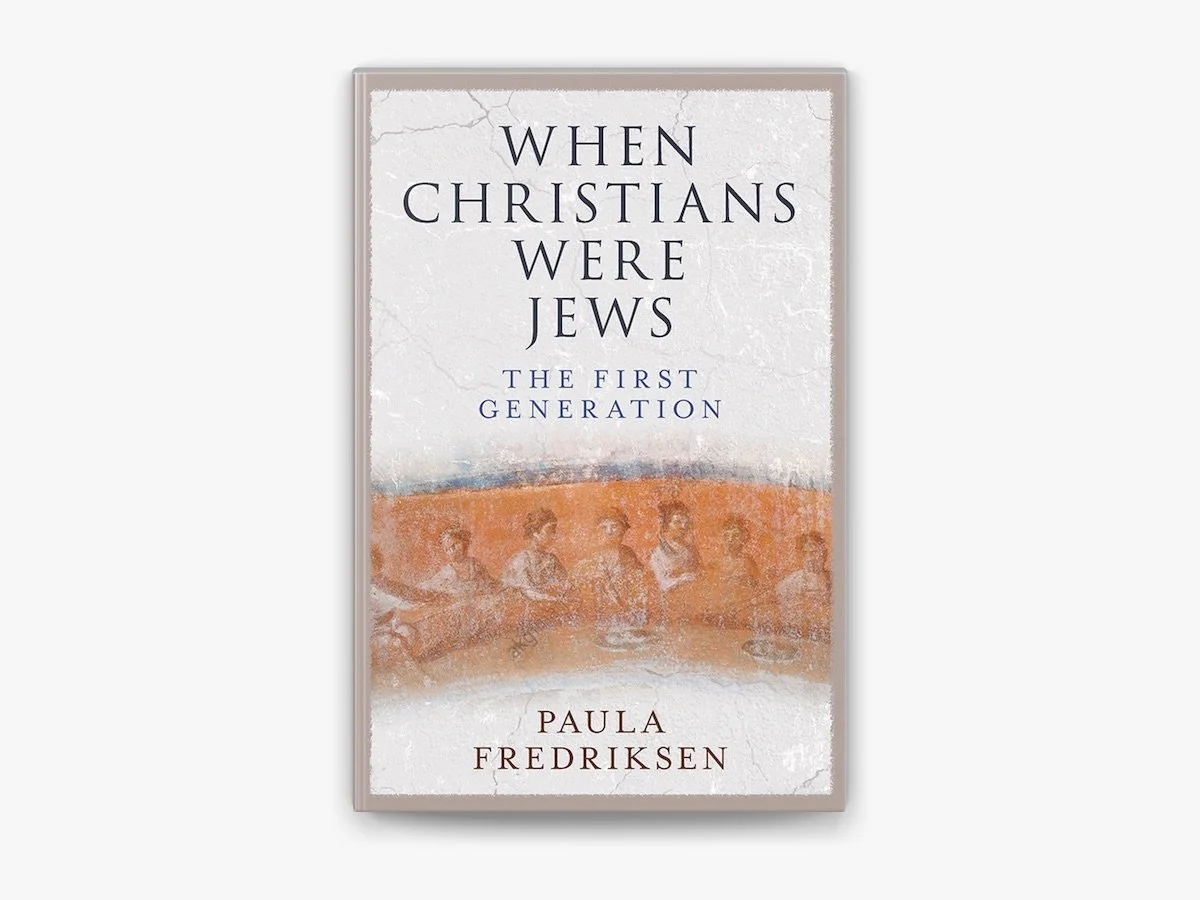
When Christians Were Jews: The First Generation
Abstract — When Christians Were Jews: The First Generation by Paula Fredriksen
In When Christians Were Jews: The First Generation, Paula Fredriksen examines the earliest followers of Jesus within their original Jewish historical and religious context. Challenging later Christian assumptions, she argues that the first believers did not see themselves as part of a new religion but as Jews living in anticipation of Israel’s imminent restoration and the fulfillment of God’s apocalyptic promises.
Fredriksen situates the Jesus movement firmly within Second Temple Judaism, exploring how messianic expectation, resurrection hope, and covenantal identity shaped the message of Jesus’ earliest disciples. The book pays particular attention to figures such as Paul, interpreting his mission to the Gentiles not as a departure from Judaism but as an extension of Jewish eschatological hope — the ingathering of the nations in the last days.
Through historical analysis and close engagement with early sources, When Christians Were Jews reframes the origins of Christianity, emphasizing continuity rather than rupture between the early Jesus movement and the Jewish world from which it emerged. The work invites readers to reconsider the theological and historical implications of Christianity’s Jewish beginnings and the apocalyptic worldview that animated its first generation.
-
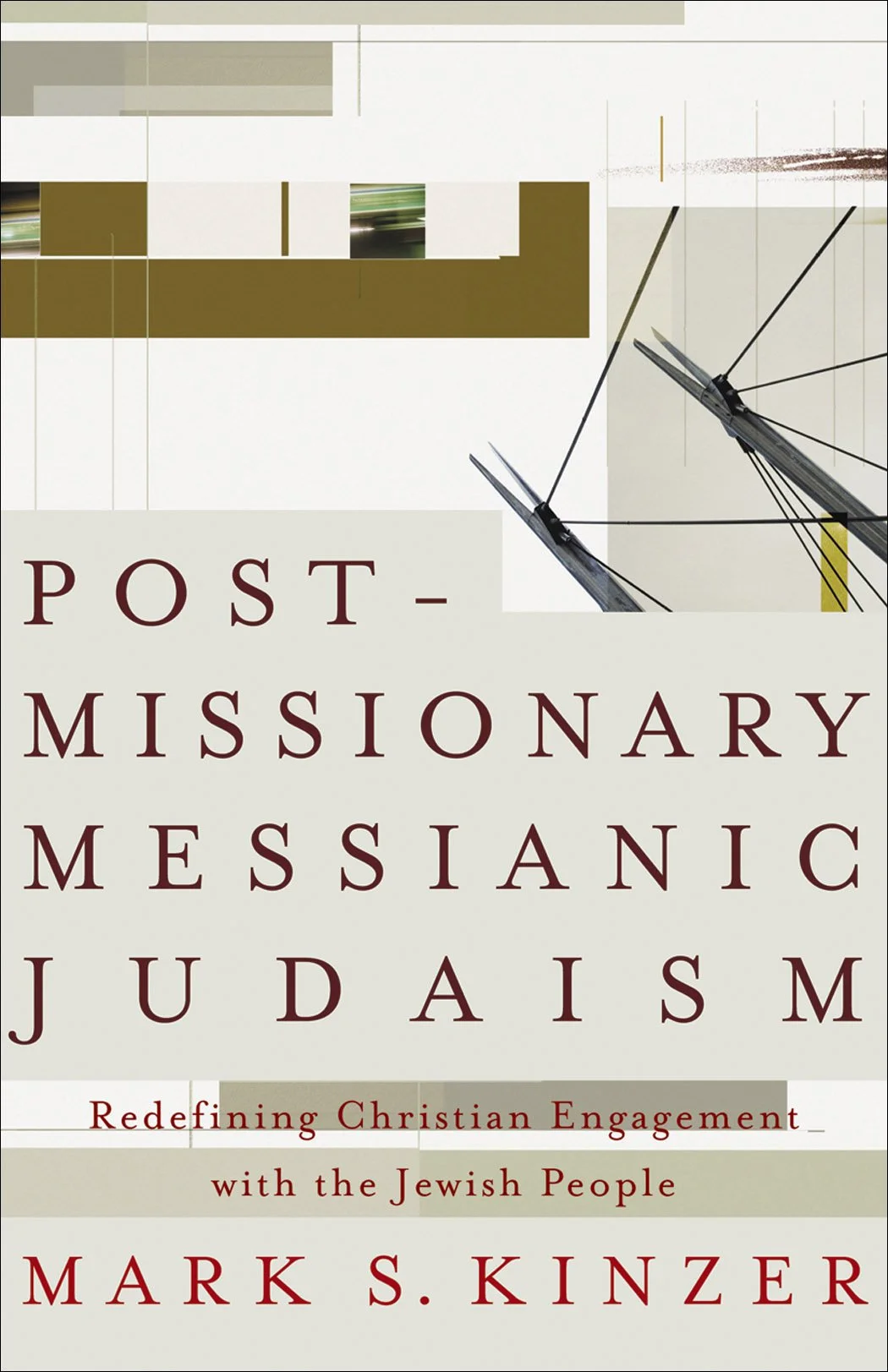
Postmissionary Messianic Judaism: Redefining Christian Engagement with the Jewish People
Abstract — Postmissionary Messianic Judaism: Redefining Christian Engagement with the Jewish People by Mark S. Kinzer
In Postmissionary Messianic Judaism, Mark S. Kinzer articulates a theological vision for Messianic Judaism that challenges both traditional Christian missionary paradigms and conventional Jewish-Christian boundaries. Kinzer argues that the modern Messianic Jewish movement should not be understood merely as a tool of Christian evangelism to the Jewish people, but as a legitimate expression of Jewish covenantal life centered on faith in Yeshua (Jesus) as Messiah.
The book proposes a “postmissionary” approach in which the Jewish people remain in an enduring covenant with God and therefore do not require conversion in the same way as Gentiles. Kinzer calls for the church to recognize Messianic Judaism as a distinct communal reality — one that maintains Jewish identity, Torah practice, and covenantal solidarity while affirming the messiahship of Jesus.
Engaging biblical theology, ecclesiology, and Jewish-Christian relations, Postmissionary Messianic Judaism invites readers to reconsider long-held assumptions about mission, covenant, and the structure of the people of God. The work contributes to ongoing discussions about the place of Israel, the role of Torah, and the future shape of Jewish-Gentile unity within the messianic age.